

If you just had a new garage slab poured in Elk Grove Village or elsewhere in the northwest Cook County suburbs, the common answer is to wait at least 28 days before a standard garage floor coating. That number is a useful starting point, but it is not an automatic green light. Temperature, humidity, the concrete mix, and how much moisture is still inside the slab all affect whether a coating can go down safely, and the real answer depends on the requirements of the specific coating system being used.
Why 28 Days Is a Starting Point, Not a Finish Line
Concrete can look completely dry on the surface while still holding excess moisture underneath. That gap between appearance and actual readiness is why industry guidance treats the 28-day mark as a minimum, not a guarantee. According to Sherwin-Williams, temperature, humidity, mix composition, and moisture-test results are what actually determine whether a slab is ready, and the final call should follow the specific coating system’s documented requirements.
Curing and Drying Are Two Different Processes
It helps to separate two things that often get lumped together. Curing is the chemical process of cement hydration that builds the concrete’s strength over time. Drying is the separate process of excess water leaving the slab so it is no longer trapped underneath a coating. A slab can hit a strength milestone and still be too wet for a floor coating, which is part of why a calendar date alone cannot confirm readiness.
How Readiness Actually Gets Confirmed
Because moisture levels can vary across different spots on the same slab, testing in multiple locations gives a far more reliable picture than checking just one area. Two common test approaches used in the industry measure internal relative humidity and surface moisture-vapor emission, and what counts as an acceptable result depends on the documentation for whichever coating system is being installed, not one universal number. Installing over a slab that looks dry but is not can lead to bubbling or peeling once the coating traps the remaining moisture underneath, which is why a test result matters more than appearance or elapsed time alone.
Chicagoland Winters Add Another Variable
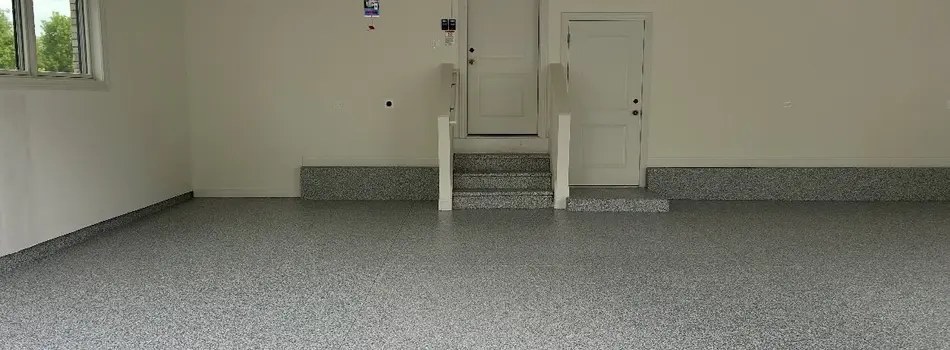
For a garage slab poured during a Chicago-area cold season, temperature plays a bigger role than the calendar. Low concrete temperatures slow down both setting and strength gain, so a slab poured in colder weather may need more time and proper curing protection before it reaches the same readiness point as one poured in warmer months, according to the National Ready Mixed Concrete Association. A single mild afternoon does not offset weeks of cold temperatures, which is why cold-weather pours around Elk Grove Village and the surrounding suburbs often need a case-by-case look rather than a fixed number of days.
From a Ready Slab to a Finished Garage Floor
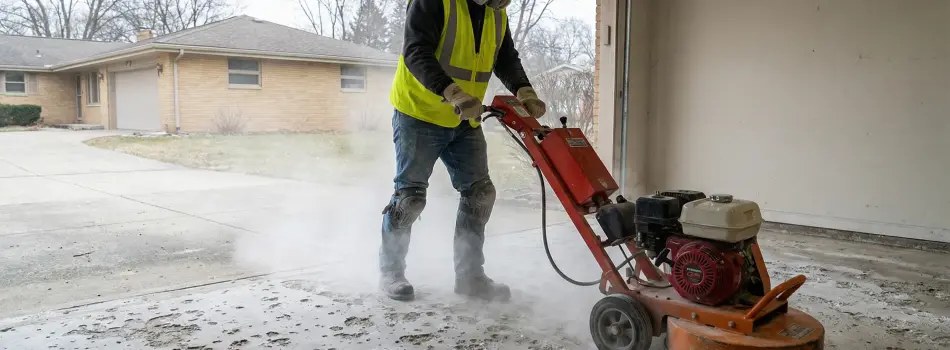
Once a slab is confirmed ready, there is still a preparation step before coating goes down. New concrete often has surface materials such as cement laitance or curing compounds that need to be addressed so the coating can properly bond. A1 Concrete Coatings’ garage floor quotes include diamond grinding, crack repair, and moisture testing as part of that preparation step.
It is also worth separating two different timelines. A one-day installation and a 28-day-plus cure time answer two different questions. The one-day timeline refers to how quickly the garage floor coating itself gets installed once the slab has been confirmed ready, not how soon after the pour that work can start. Homeowners with a newly poured slab can use the waiting period to get ahead on preparing a garage slab for coating while the concrete continues to cure.
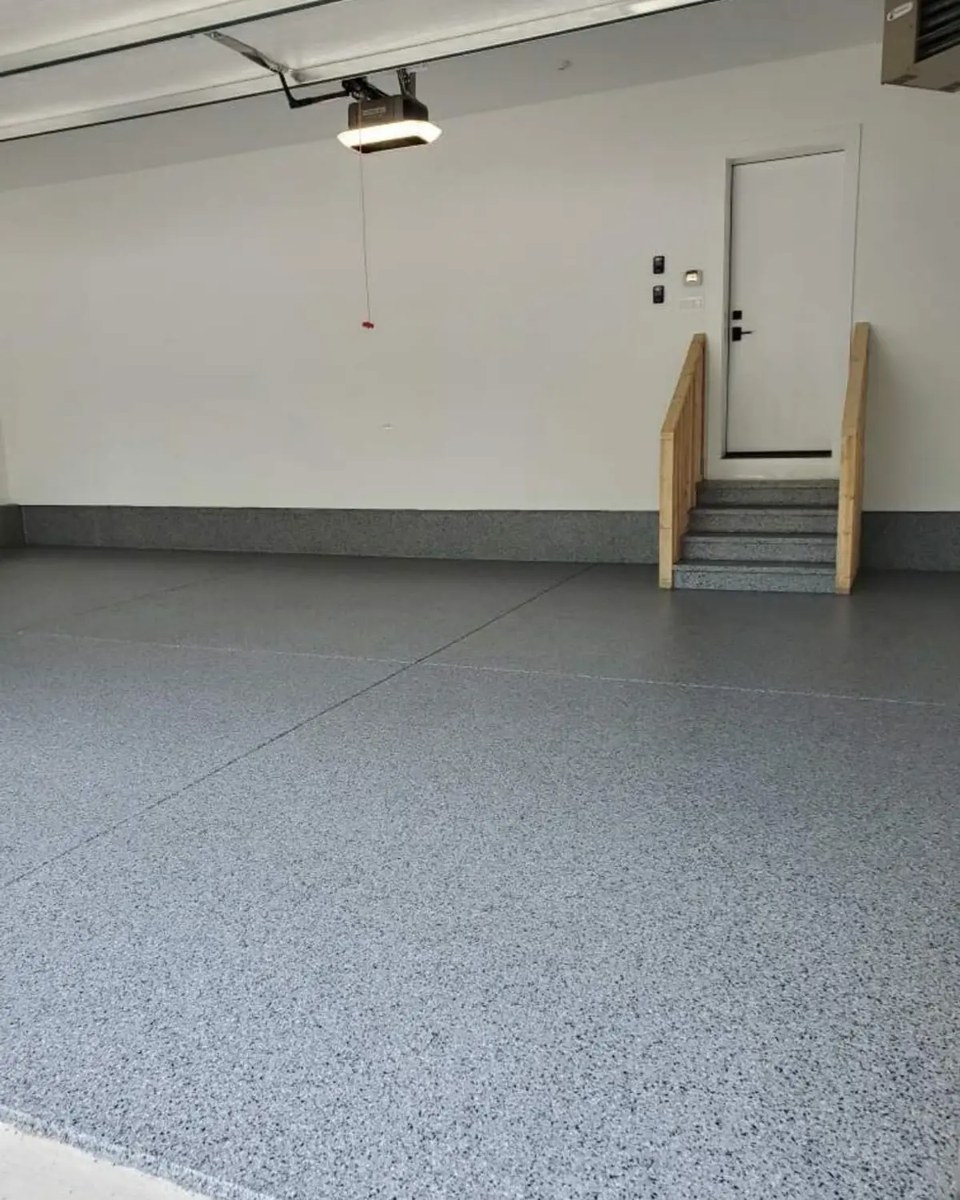
A1 Concrete Coatings installs several coating options for Chicagoland garages, including the 1-Day flake system, polyaspartic coatings, polyurea coatings, epoxy flooring, and broadcast flake and quartz systems. Not every system has identical moisture or temperature requirements, so the specific coating under consideration is part of the readiness conversation.
Ready to Talk Through Your Timeline?
If you have a new garage slab in Elk Grove Village, Des Plaines, or another northwest Cook County suburb and want to know where it stands, we can help you sort out the timing before locking in an installation date. As a family-owned company based in Elk Grove Village, we are glad to walk through what your new concrete needs before coating. Call (866) 212-6284 to talk through your new concrete and garage floor coating options.

Under the direction of founder Luis Contreras, A1 Concrete Coatings provides various types of concrete coatings, including flake floors, solid concrete dyes, polished concrete floors, metallic epoxy floors, quartz epoxy floors, and urethane cement-coated floors. Louis and Angie Contreras built A1 Concrete Coatings from the ground up. Louis runs every job: handling estimates, leading installs, and ensuring each floor meets the standards the company was built on.